Nobody's Boy
A story of longing and belonging

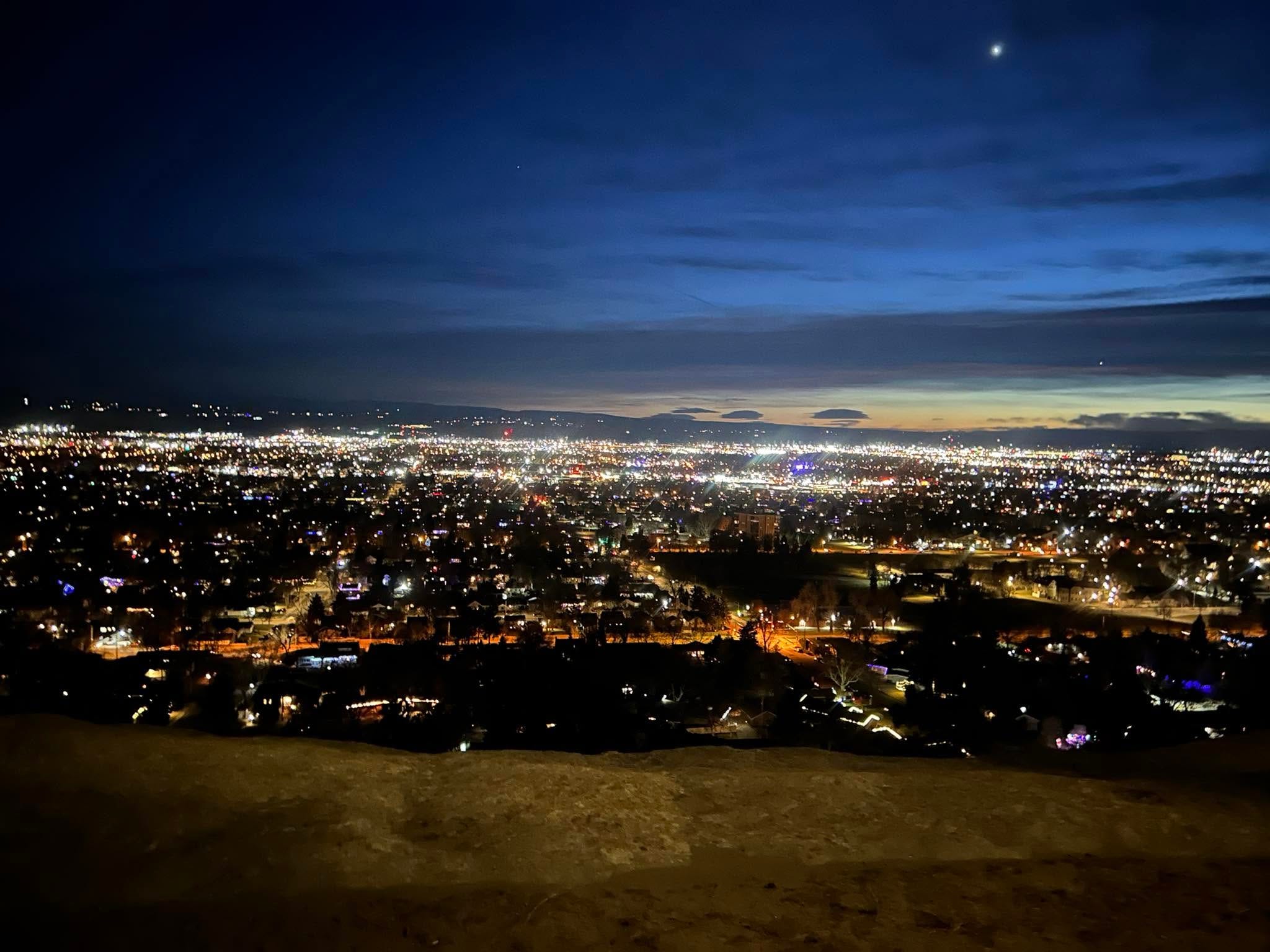
If not for a poorly installed refrigerator and a subsequent demonstration of the force of gravity, I would be well into my second week in Washington, this time on the western side. I’d planned all along to examine the odd effect our most northwestern contiguous state has on me. Near Olympia—the lifelong home of the woman who gave me life, with whom I’d be breaking bread for the first time in more than a decade—seemed the place to do it.
I never made it that far.
So I write these words from Billings, Montana, the closest thing I have to heart earth, and I shall try to mine those feelings without the benefit of proximity to the place that supplies the dust of my origins but holds no sway over me save for the theoretical.
Frankly, it’s a tall order. But try I must.
Nearly six-decade-old paperwork, embossed with the imprimatur of the State of Washington, decrees that I am the son of Ronald and Leslie Lancaster. It further asserts that, in the eyes of the law, I am their biological son.
The former is undeniably true, although the technicalities have changed. Leslie Lancaster—the name, not the woman—ceased to be around 1973. Now 87 and 80 years old, my parents persist in different corners of their world and mine, and I’m the richer for it.
The latter, the biological bit, is both a practical impossibility and a damn lie.
I gained possession of the historical record nearly 30 years ago, after I’d successfully searched for my birthmother. It was an early lesson in something that can be absurd or a horror or sometimes both: a state’s assertion of what is when the actual facts say otherwise.
It really doesn’t matter, I suppose. The people I know as my parents—Ron and Leslie and my stepfather, Charles—raised and nurtured me. Whatever and whoever I am, the good parts, anyway, are a credit to them. I’ll take the blame for my failures and shortcomings. They might as well be the bearers of the clay that formed me.
But they weren’t. And it irritates me that someone ever thought that a few keystrokes and a signature could blot out the makings of me. Or anyone else.
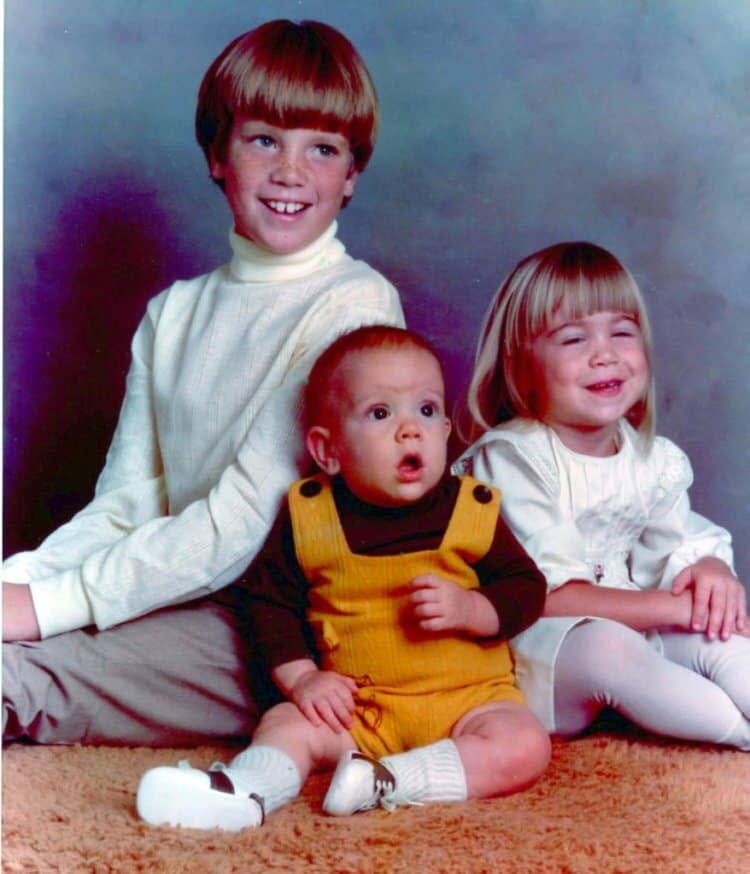
Oddly, though, this isn’t about life at the cellular level. When I’m in Washington state—fairly often, in the scheme of things—it’s the landscape that gets me. And doesn’t.
I was conceived in a University of Washington dormitory. I gestated in the house owned by my birthmother’s parents in Olympia while everyone in her family tried to ignore what was increasingly obvious as spring dragged into summer and the brink of autumn in 1969, until I could no longer be denied. I traveled along as my birthmother stepped through the yard of her grandmother’s farm in Pierce County, where she’d been banished for the remainder of the pregnancy.
I drew my first breath in Lakewood, Washington. My god, I am listed among the notable people in the Lakewood Wikipedia entry. But I don’t belong to it any more than it belongs to me.
Any more than any part of Washington belongs to me.
My birthfather—I know who he is but don’t know him—made his contributions from the eastern side of the state. His father’s name is renowned in certain circles. Those circles don’t fit around me.
A good friend of mine is acquainted with my birthfather. The friend called me one morning, years ago, speaking softly into the phone: “I’m following your father through the grocery store. He wears down his shoes on the outside edge, just like you do.”
It was a fun exchange, until it wasn’t, until the old weight settled again into the rabbit cage of my chest.
I’m the son of no native soil. I am everybody’s boy—I am so loved and so welcomed in the family that gave me roots—and nobody’s boy.
It’s a hell of a thing.
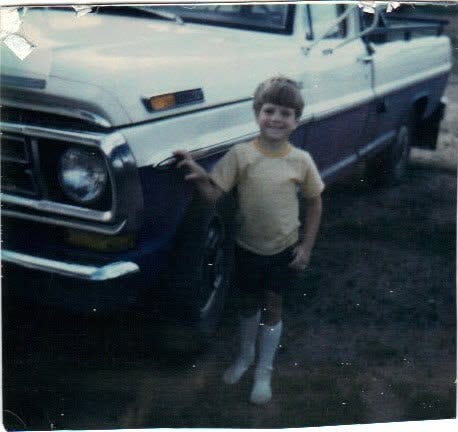
If I’m whining, and I hope I’m not, it’s not for anything denied me in the past. There’s a Ben Folds line I adore—“I was robbed and I was blessed”—and would love to claim, but I can’t because I’ve never been robbed. It’s all been blessings, in every way that matters.
But I am envious of those who feel some attachment to, some oneness with, the land of their heritage. I knew many such people when I was growing up in Texas, who felt that great state grow right up into them from the soles of their shoes to the chambers of their hearts. I certainly see it among my friends here in Montana, and everywhere else I’ve roamed. I have a wonderful friend who lives in Maine but pumps Mississippi through his veins.
I’ve never felt that anywhere, and I long for it.
As I reflect on it now, I realize it’s another reason for this adventure I’m on. I want to see as much of this land as I can, to try to gain some insight into why, say, Wyoming whispers into some folks’ souls or Old Michigan steams like a young man’s dreams (thanks, Gordon).
For so long, I’ve been fixated on time. Its fleeting nature. The unknowable boundaries of any life.
It’s only now that I’m realizing time stands naked and alone without place.
I’ll be damned.
The downside is being emotionally enslaved to your heritage: being judged by your family name, bring beaten over the head with the ancient sins of your forebears, of being expected to maintain a community or professional legacy and to forfeit your free will to it. I think I like your way better.